Building for net-zero in BC
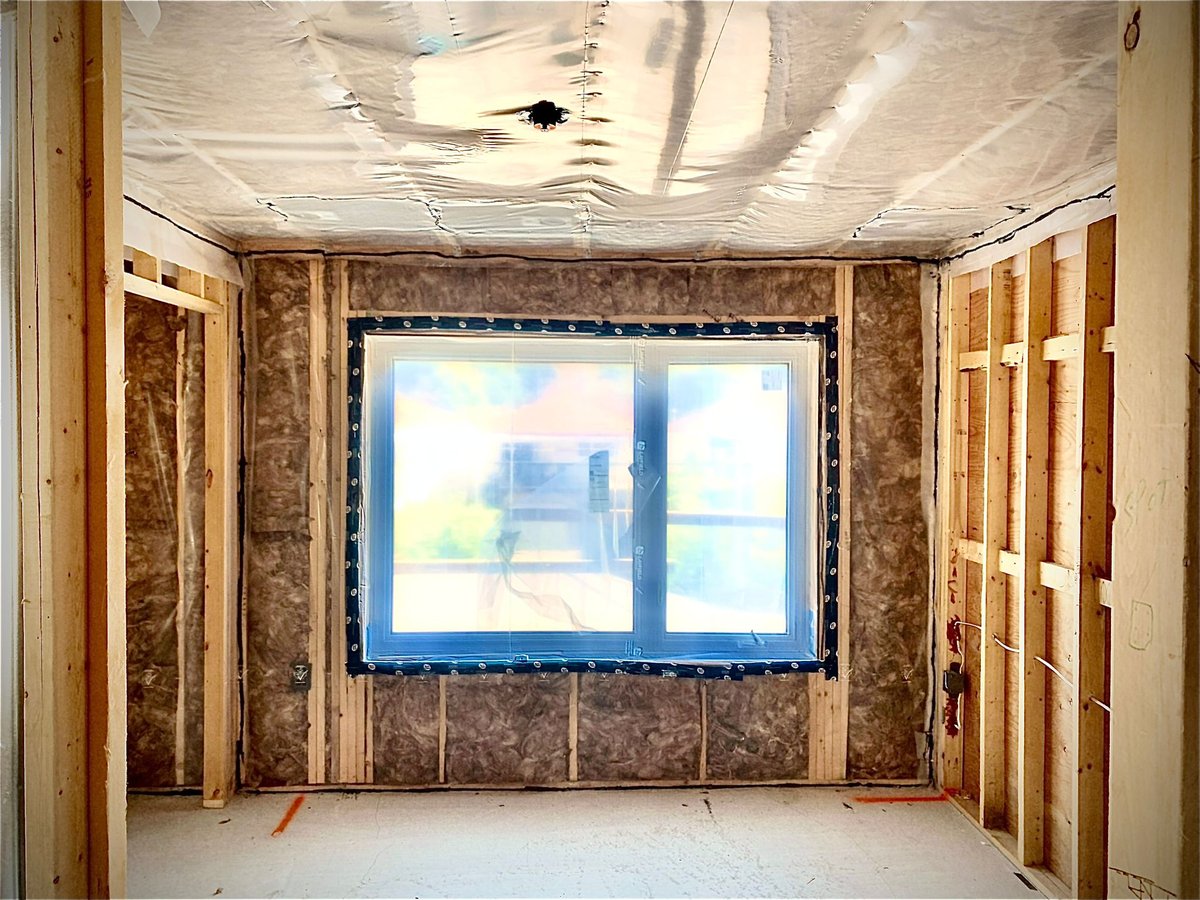
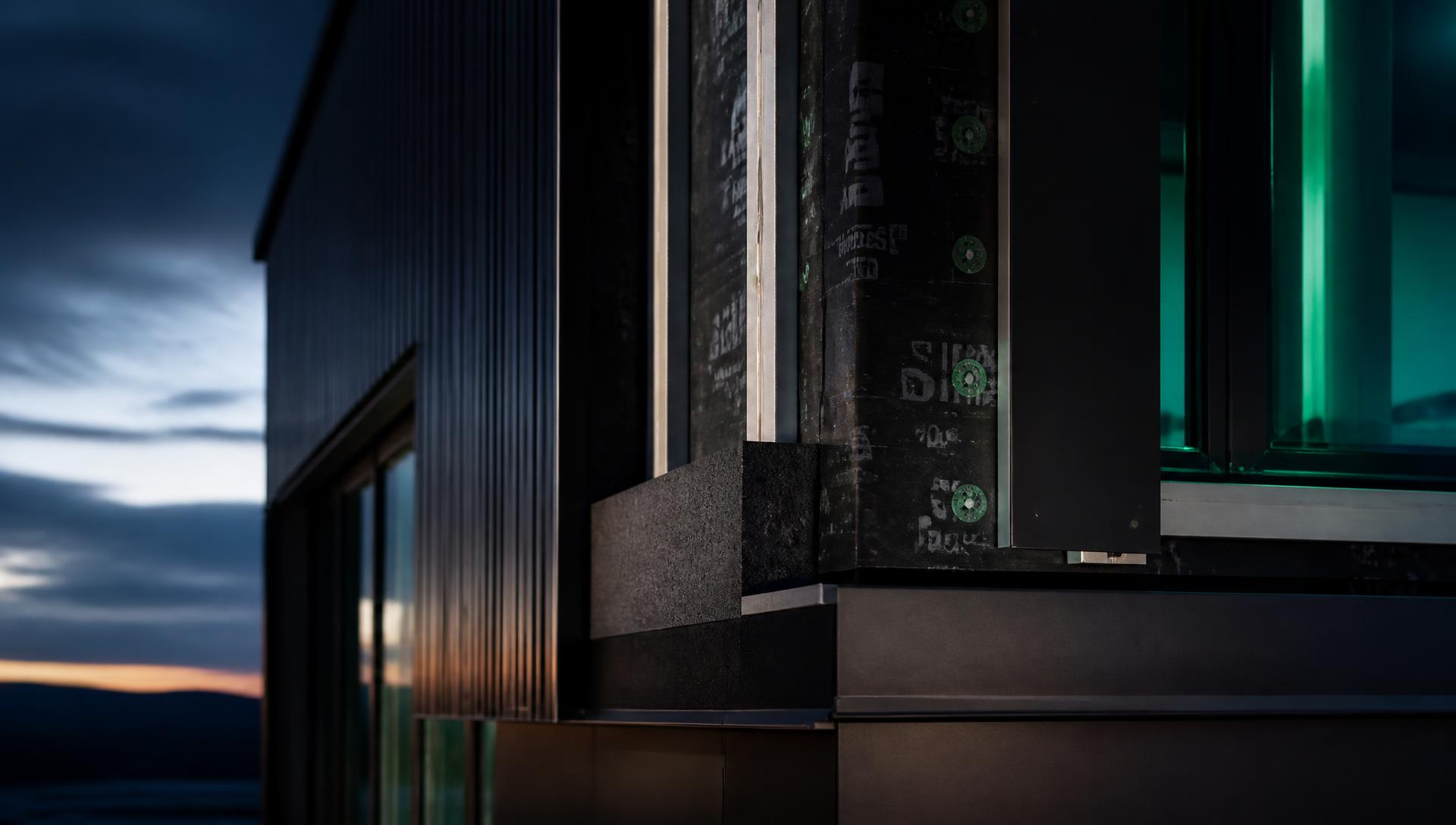
The envelope is where net-zero is won or lost.
British Columbia is on a legislated path to net-zero. Every developer building here now is navigating two step codes climbing at once, municipalities that move faster than the province, and a brand-new frontier — the carbon embodied in the materials themselves. It's a lot to track. This is our plain-language guide to where BC building is actually headed, and why the building envelope is the single decision that determines whether a project hits its targets or misses them. We install and advise on that envelope. This is the knowledge we bring to every project.
- 2032
- Net-zero energy ready (BC Energy Step Code)
- 2030
- Zero-carbon new construction target
- March 2025
- Zero Carbon Step Code EL-1 now mandatory
- 40%
- Embodied-carbon cut by 2030 (Vancouver)
- 26°C
- New overheating limit
BC has two step codes now. You're being held to both.
- 2032
- EL-1 · March 2025
- 2030
Most people still say "Step Code" as if there's one. There are two, running in parallel, and every new building answers to both.
BC Energy Step Code
- /Governs energy
- /Net-zero-ready by 2032
- /≈ Passive House at top step
Zero Carbon Step Code
- /Governs carbon
- /EL-1 mandatory March 2025
- /Zero-carbon by 2030
The BC Energy Step Code governs how much energy a building uses. It's climbing toward net-zero energy ready by 2032 — its top step is roughly the Passive House standard, the most efficient building you can construct today. This is about the envelope and how little energy the building needs in the first place.
The Zero Carbon Step Code governs the carbon a building emits. As of March 10, 2025, its first level (EL-1) is mandatory province-wide — every new building must now measure and disclose its operational greenhouse-gas emissions. It climbs toward zero-carbon new construction by 2030, pushing projects toward low-carbon mechanical systems and electrification.
The distinction matters: one is about energy, one is about carbon, and a building has to satisfy both. The envelope is the common denominator — a building that needs less energy has less to decarbonize.
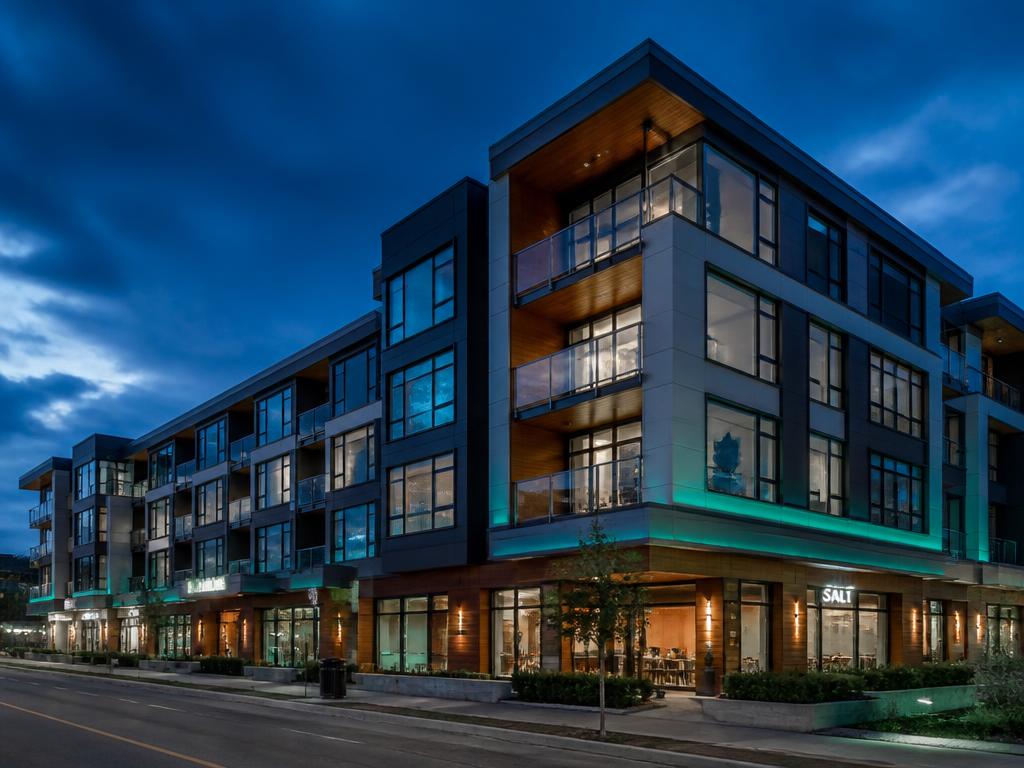
The province sets the floor. Your city may set it higher.
- Above provincial minimum
Here's the part that catches projects out: local governments can require higher steps than the provincial minimum, and many do. Some Metro Vancouver municipalities already mandate carbon levels well above EL-1 for new residential and commercial construction. The step your project must hit depends on where you're building — and it's often higher than the provincial baseline you planned around.
We track what each authority having jurisdiction actually requires, so the envelope is specified to the real target from day one — not the one that fails plan check.
Operational carbon is today's problem. Embodied carbon is tomorrow's — and it's already arriving.
- 40% by 2030 · Vancouver
There are two kinds of carbon in a building, and until recently BC only regulated one.
Operational carbon
- /Running the building
- /Regulated today
- /Envelope is the biggest lever
Embodied carbon
- /In the materials
- /The next frontier
- /Vancouver 40% by 2030
Operational carbon is the emissions from running the building — heating, cooling, hot water — over its life. It's what the Zero Carbon Step Code measures today, and a high-performance envelope is the biggest lever on it: the less energy a building needs, the less carbon it emits, every year, for decades.
Embodied carbon is the carbon locked into the materials themselves — the emissions from manufacturing, transporting, and installing everything the building is made of, before anyone turns on a light. This is the next regulatory frontier. Vancouver's Building By-law already includes embodied-carbon requirements, targeting a 40% reduction for new buildings by 2030, and national codes are moving the same direction.
This is where envelope material selection stops being a detail and becomes a compliance decision. The insulation you choose has an embodied-carbon cost — and the options vary widely. Advising on materials that hit both the performance target and the embodied-carbon target is part of what we do. Most installers only talk about the first. The buildings being designed now will be measured on both.
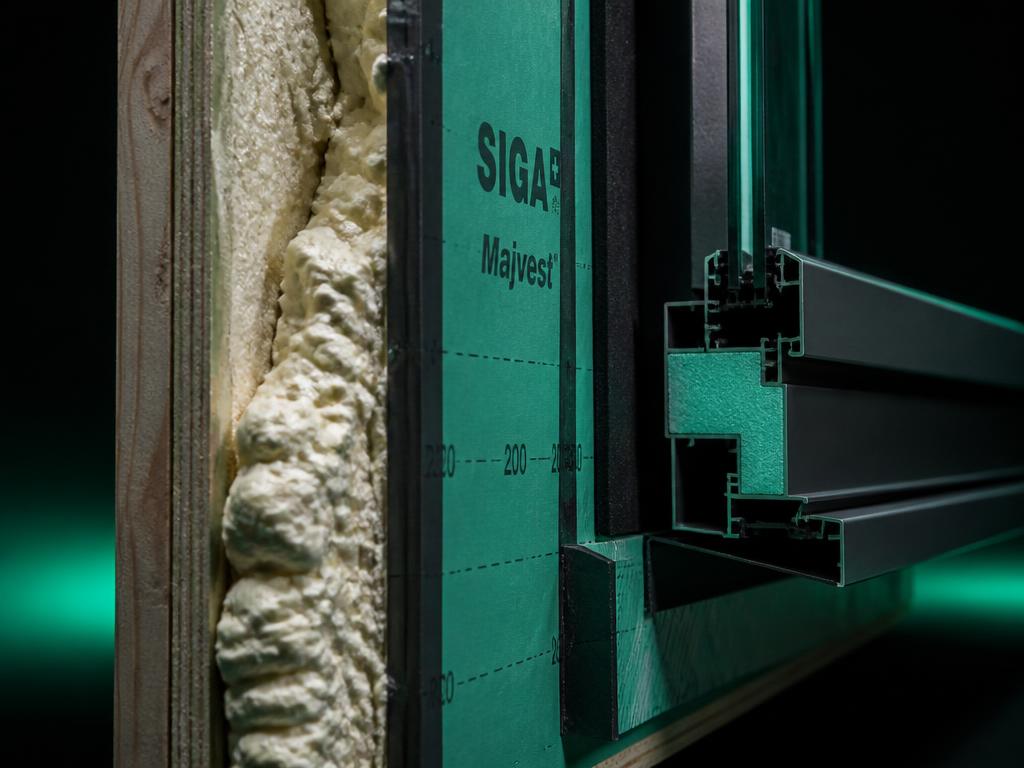
A building can be full of insulation and still fail the test.
- Blower-door tested
Every high-performance standard — Step Code, Passive House, LEED — ultimately proves itself the same way: by testing the finished building's performance. And the quiet killer is air-tightness. A wall can be perfectly insulated on the drawings and still leak air through gaps in the barrier, and that leakage is what fails the blower-door test at the worst possible moment — late, when fixing it is expensive.
Our team holds Air Barrier Specialist certification from BCIT. Air-tightness is the discipline we specialize in, because it's the one most projects underestimate and the one that most often stands between a building and its target. We build the continuous barrier that passes the test the first time.
How we de-risk the envelope for builders →A better envelope isn't just efficient. It's resilient.
- 26°C
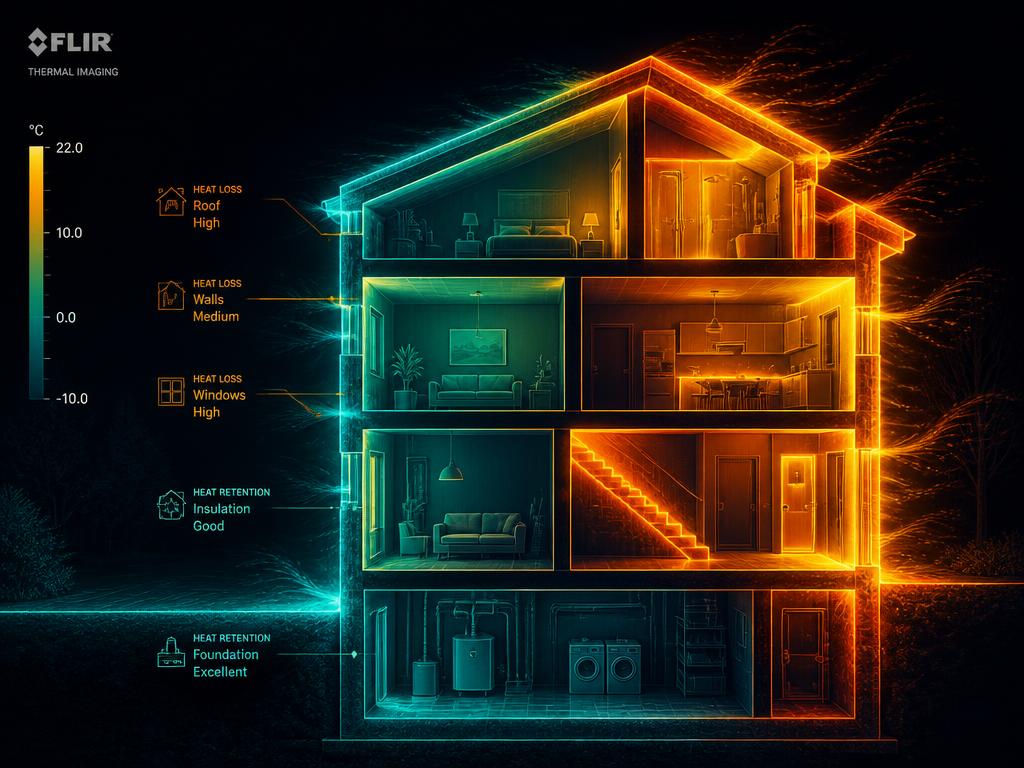
After the 2021 heat dome, BC's building code added a requirement to keep new homes from overheating — interiors must be able to stay at or below 26°C in summer. It's a reminder that the envelope isn't only about winter heat loss; it's about keeping a building stable and safe in both directions, as the climate gets more extreme.
A well-built, air-tight, well-insulated envelope is the foundation of a building that stays comfortable and resilient through heat waves and cold snaps alike — with smaller mechanical systems doing less work to get there.
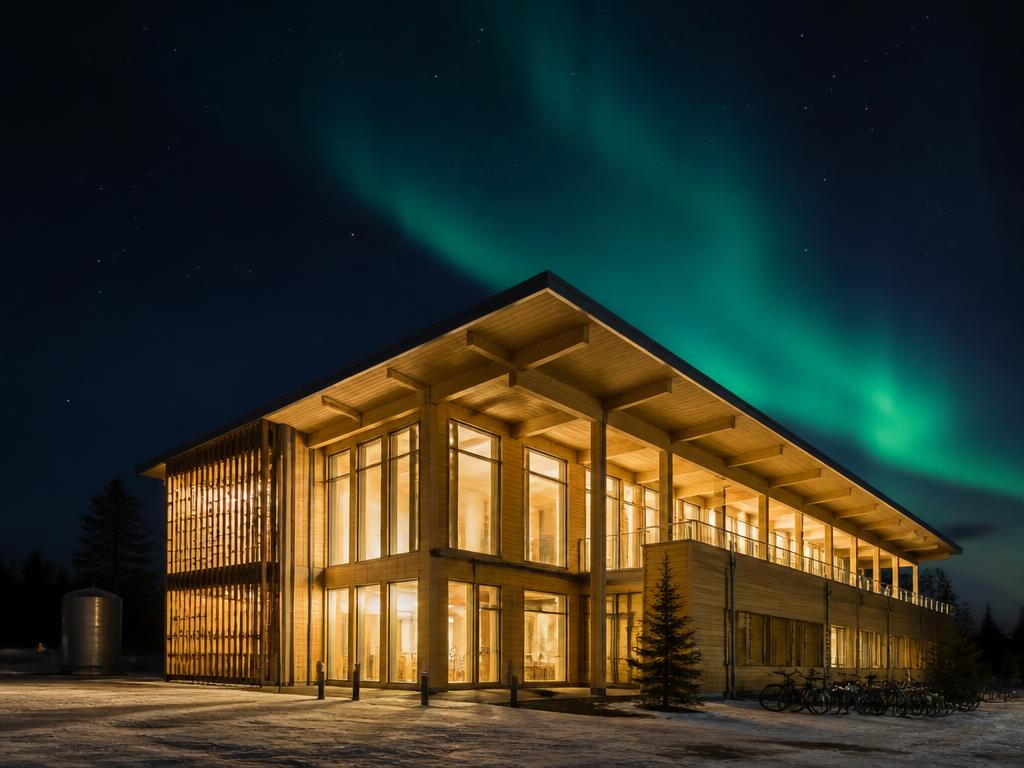
High performance doesn't have to cost more. Often it costs less.
The assumption that green building carries a premium is increasingly wrong. BC's own program data shows high-performance buildings frequently cost the same or less than code-minimum ones over their life — smaller mechanical systems, lower operating energy, fewer callbacks and comfort complaints.
And high-performance buildings are becoming easier to finance, insure, and lease, and hold their value better as regulation tightens around them. We treat the envelope as the highest-return decision on the project.
The cheapest kilowatt is the one the building never needs.Read our position on building past code →
Talk to us
Building to a target? Let's talk envelope.
Whether you're chasing Step Code compliance, a carbon level, Passive House, or net-zero, the envelope is where it's decided. Send us the project — drawings, targets, or just the concept — and we'll tell you how to hit the number.
No forms. Call or email and you'll reach us directly.
- Service area
- Metro Vancouver, the Fraser Valley & Vancouver Island, BC